What is a dental implant?
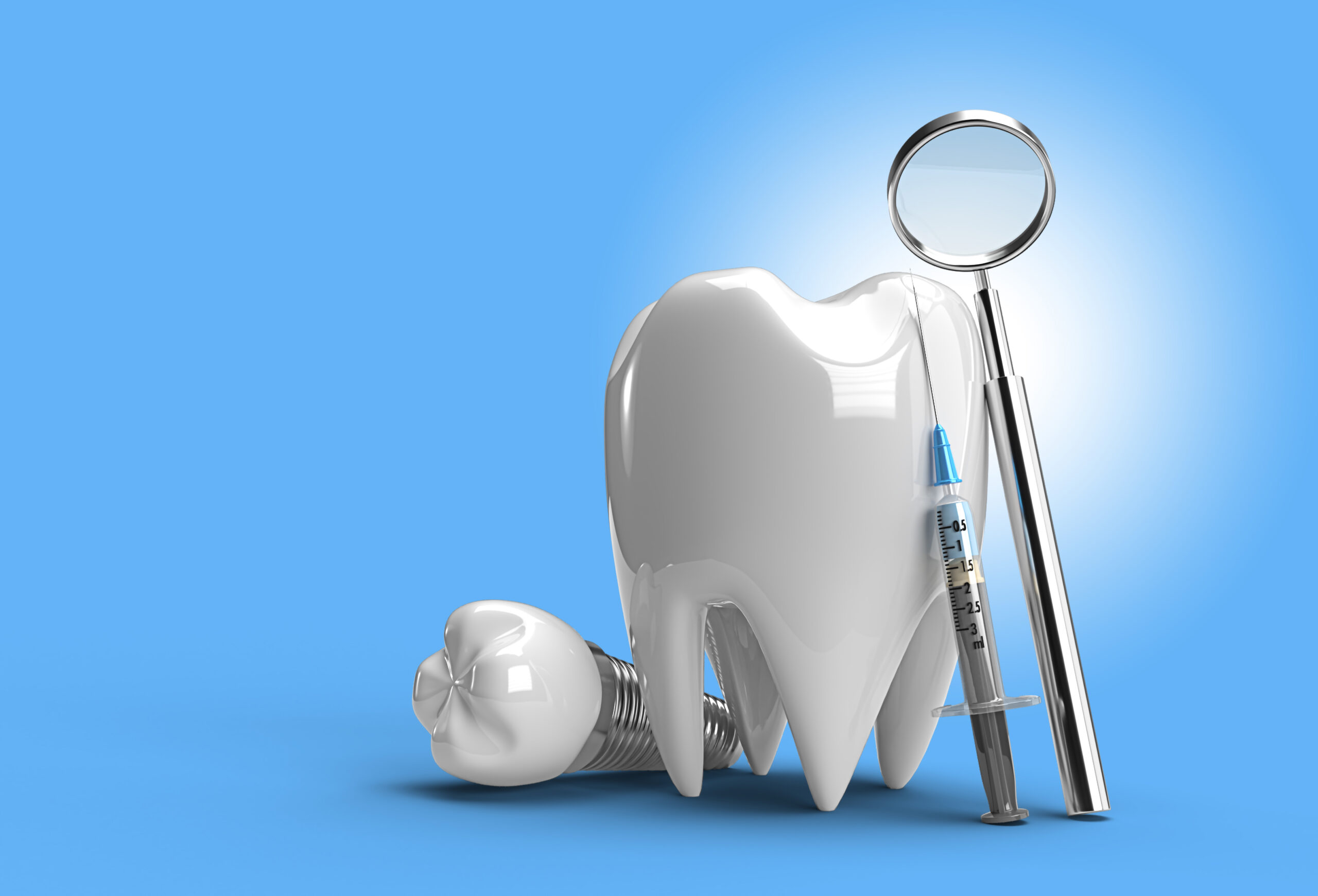
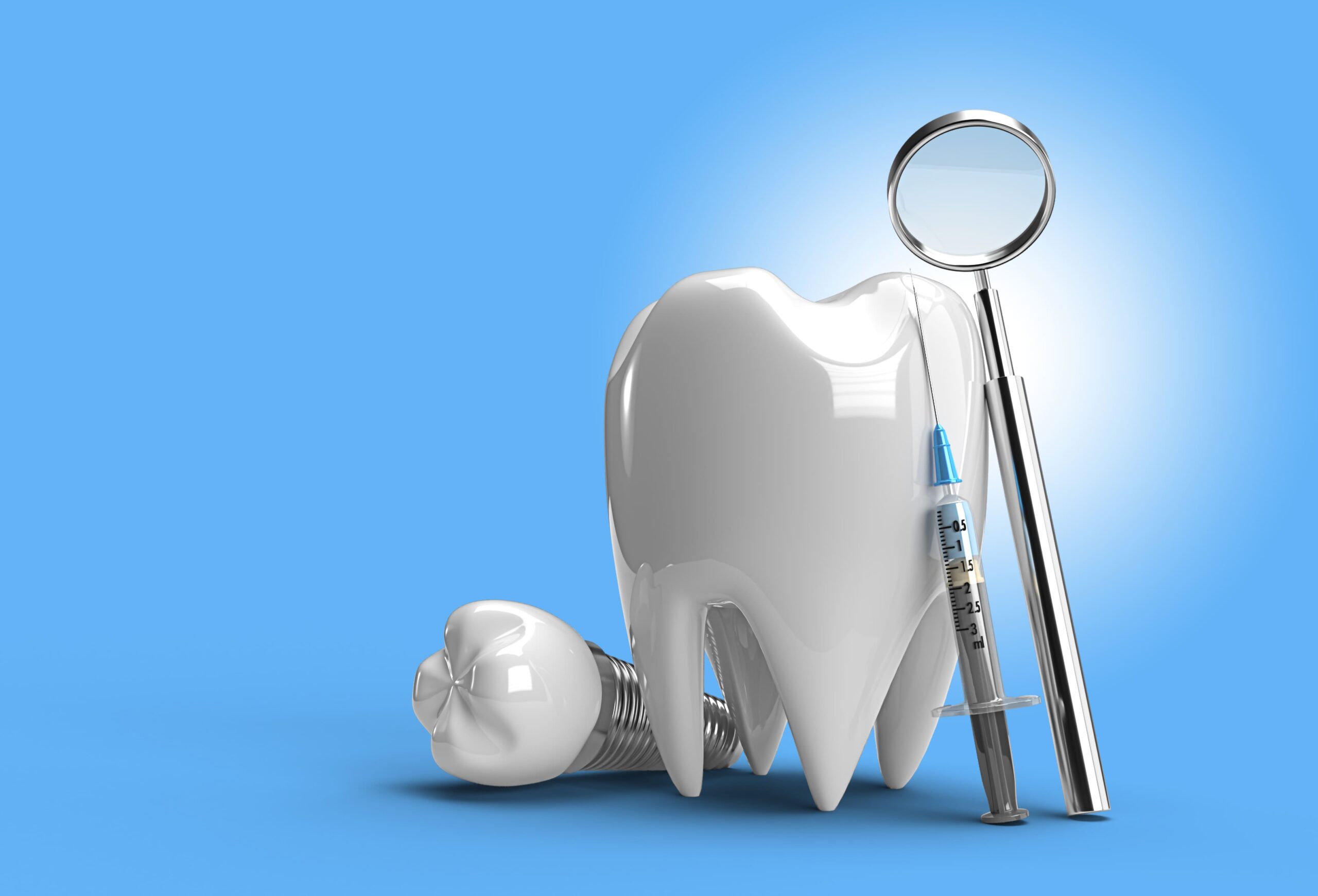
A dental implant is a small, medical-grade titanium post that is placed into the jawbone to replace the root of a missing tooth. Once positioned, the implant gradually integrates with the surrounding bone, creating a stable and durable foundation for a replacement tooth.
After the healing process is complete, the implant can support a crown, bridge or full arch prosthesis depending on how many teeth need to be replaced. This allows for a result that is designed to look, feel and function as close as possible to natural teeth.
Dental implants are widely used in modern dentistry due to their strength, longevity and ability to support both functional and aesthetic outcomes.
Why might I need a dental implant?
You may benefit from dental implant treatment if you have lost one or more teeth due to decay, gum disease, trauma or other reasons. Missing teeth can affect not only your appearance but also your ability to chew properly and maintain balanced oral function.
Over time, the absence of a tooth can lead to bone loss in the jaw. Dental implants help stimulate the bone in a similar way to natural tooth roots, which can help maintain bone structure and prevent further deterioration.
In addition to restoring function, implants can improve confidence, comfort and overall quality of life, particularly when compared to removable solutions such as dentures.
alternatives to implants?
While dental implants are often considered a long-term solution, they're not the only option available.
Alternative treatments may include dental bridges or removable dentures. These options can restore function and improve appearance in certain cases, and they may involve less invasive procedures.
However, they may not provide the same level of stability, durability or bone preservation as implants. The most suitable option will depend on your individual clinical condition, preferences and treatment goals, all of which will be discussed during your consultation.
Who can have dental implants?
Most adults in good general health are suitable candidates for dental implants. However, certain factors may influence whether implant treatment is appropriate.
These include medical conditions, medications, smoking habits, oral hygience and the quality and quantity of available bone.
A thorough clinical assessment is essential to evaluate these factors and determine suitability. This ensures the treatment plan is safe, realistic and tailored to your specific situation.
How is implant treatment carried out?
Dental implant treatment is typically carried out in stages to ensure optimal results.
The first stage involves placing the implant into the jawbone under local anaesthetic or, where appropriate, sedation. This is a controlled and carefully planned procedure designed to minimise discomfort.
Following placement, a healing period is required. During this time, the implant integrates with the bone, creating a stable foundation.
Once healing is complete, the final stage involves fitting the restoration, such as a crown, bridge or full-arch prosthesis. Each stage of the process is customised based on your clinical needs.
Anaesthesia Options
Implant procedures are usually performed under local anaesthetic, ensuring that treatment is comfortable and pain-free.
For patients who feel nervous or for more complex cases, IV sedation may be available. This allows you to remain relaxed throughout the procedure while being safely monitored.
Your dentist will discuss the most appropriate option with you based on your medical history and preferences.
Immediate Implant Placement
In certain cases, it may be possible to place an implant immediately after a tooth has been extrcted. This approach can help reduce overall treatment time and may assist in preserving bone and soft tissue.
However, immediate placement is only suitable when specific clinical conditions are met, such as the absence of infection and sufficient bone support.
A detailed assessment is required to determine whether this option is appropriate for you.
Healing Time
Healing time caries depending on the individual and the location of the implant.
In general:
1. Implants int he lower jaw heal within approximately 2 to 3 months.
2. Implants in the upper jaw may take around 3 to 4 months.
This healing period allows the implant to integrate securely with the bone, ensuring long-term stability.
Temporary Teeth During Treatment
During the healing phase, temporary teeth may be provided where appropriate to maintain both appearance and basic function.
Depending on your case, these may be removable or fixed solutions. In some situations, modern techniques such as 3D-printed temporary restorations may be used to improve comfort and aesthetics during this stage.
Final Prosthetic Options
Once healing is complete, the final restorations are placed.
For single or multiple missing teeth, this may involve crowns or bridges made from durable and aesthetic materials such as zirconia.
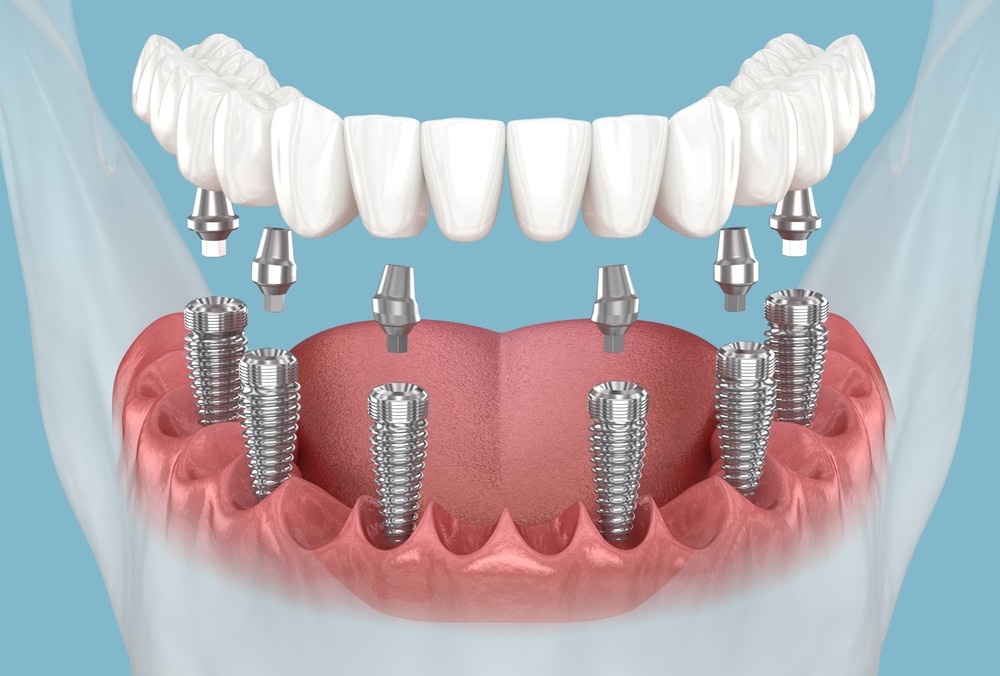
For full mouth cases, fixed full arch solutions such as All-on-4 or All-on-6 are used. These restorations are securely attached to implants and are not removable by the patient, providing a stable and natural-feeling result.
Full Mouth Implants (All-on-X)
Full mouth implant treatments are designed for patients with extensive tooth loss or those requiring full extractions.
Typically, 4 to 6 implants are placed per jaw to support a complete set of fixed teeth. The exact number required depends on factors such as bone structure, anatomy, and overall oral health.
These treatments are carefully planned to provide a long-term solution that restores both function and appearance.
Bone Grafting & Sinus Lift
In some cases, there may not be enough bone available to support dental implants. In these situations, additional procedures such as bone grafting or sinus lifting may be recommended.
These procedures help create a stable foundation for implant placement and are commonly performed as part of implant treatment planning.
Veneers, Crowns & Smile Design
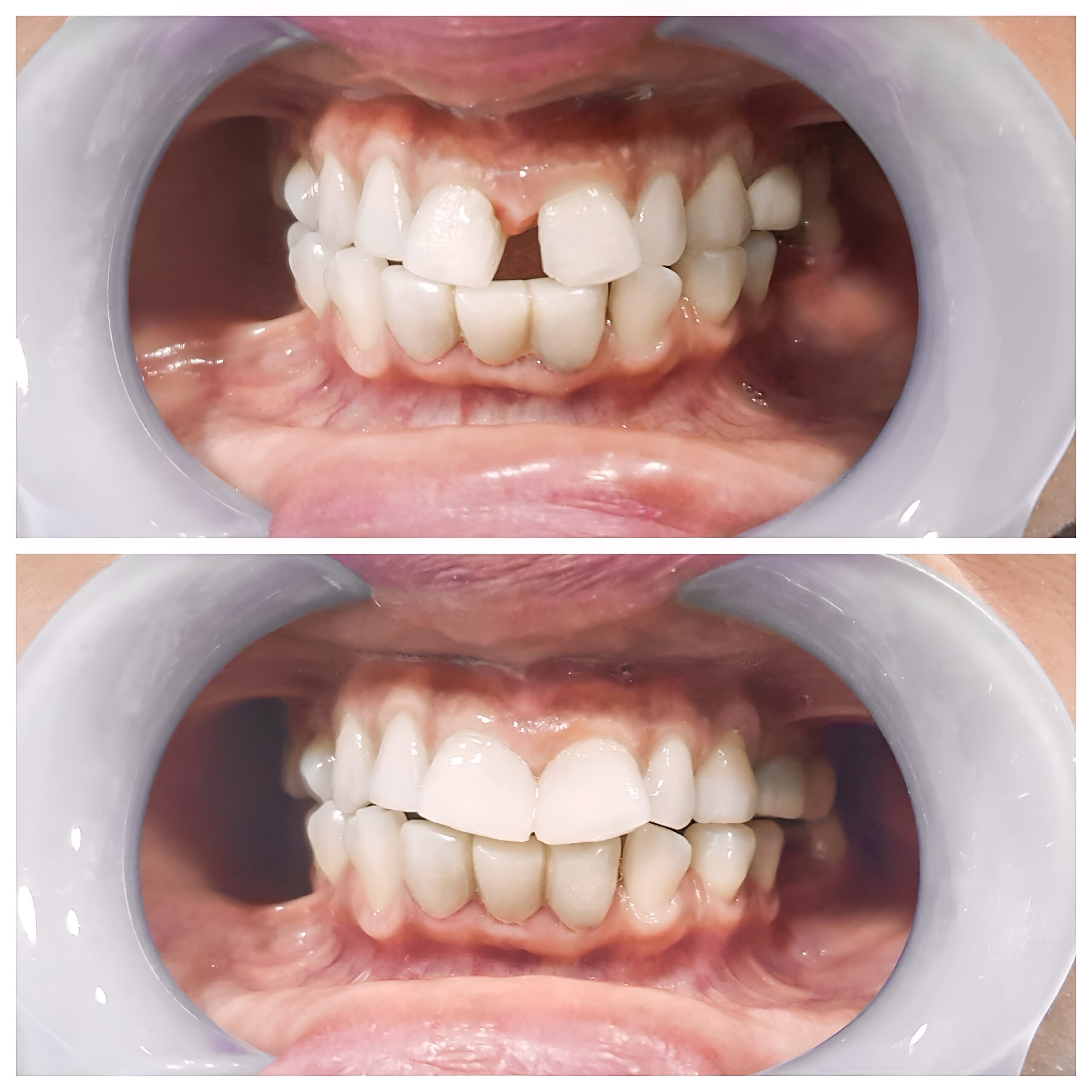
Veneers, crowns, and bridges are commonly used to restore and enhance both the function and appearance of teeth. Veneers are thin layers placed on the front surface of teeth to improve their shape, size, and colour. Crowns are used to fully cover and protect damaged or weakened teeth, restoring strength and function. Bridges are designed to replace one or more missing teeth by anchoring to adjacent teeth or implants.
These treatments may be recommended for patients with broken, worn, decayed, discoloured, or missing teeth, as well as for those seeking a more aesthetic smile.
Tooth preparation is carried out carefully and conservatively, with the aim of preserving as much natural tooth structure as possible. We prioritise clinically appropriate treatment and do not support unnecessary or excessive procedures.
In some cases, full mouth restorations may be considered. This decision is always based on a detailed clinical assessment and professional judgement.
For patients choosing treatment abroad, this type of treatment is typically completed in a single visit lasting approximately 5 to 7 days following a UK consultation.
Aftercare and maintenance can be carried out in the UK, and any future treatment or adjustments may involve additional costs depending on the situation.
Fillings
Dental fillings are used to restore teeth that have been affected by decay or minor damage. We use modern composite materials that are matched to the natural colour of your teeth, providing both strength and an aesthetic result.
The procedure is usually straightforward and completed in a single visit, typically taking around 30 minutes depending on the size and location of the cavity.
Treatment is carried out under local anaesthetic where necessary, ensuring that the procedure is comfortable and pain-free.
For smaller treatments such as fillings, patients are encouraged to carefully consider whether travelling abroad is necessary, as this type of treatment can often be effectively completed in the UK.
Root Canal Treatment
Root canal treatment is used to treat infection inside the tooth and prevent the need for extraction. It focuses on removing infected tissue from within the tooth, cleaning the root canals, and sealing them to prevent further infection.
Unlike fillings, which treat decay on the outer surface of the tooth, root canal treatment addresses the inner pulp.
The procedure is typically completed over one or two visits and is carried out under local anaesthetic to ensure patient comfort.
Whether this treatment is carried out in the UK or abroad depends on your overall treatment plan and should be discussed during your consultation.
Tooth Extraction
Tooth extraction may be necessary when a tooth cannot be saved due to severe decay, advanced gum disease, or structural damage.
The procedure is performed under local anaesthetic and is generally straightforward. The number of visits required depends on how many teeth need to be removed and the complexity of the case.
Depending on your treatment plan, extractions may be carried out in the UK prior to travelling or as part of your treatment abroad. In some cases, it may be recommended to allow healing before continuing with further treatment.
Hygiene & Polish
Professional cleaning is an essential part of maintaining good oral health. A scale and polish removes plaque and tartar build-up, helping to prevent gum disease and maintain fresh breath.
This treatment is usually recommended every 6 to 12 months, depending on your oral hygiene and individual needs.
The procedure typically takes between 15 to 30 minutes and is generally comfortable. In some cases, local anaesthetic may be used if there is sensitivity.
It is safe to have hygiene treatment with implants, crowns, or zirconia restorations when carried out correctly.
Teeth Whitening
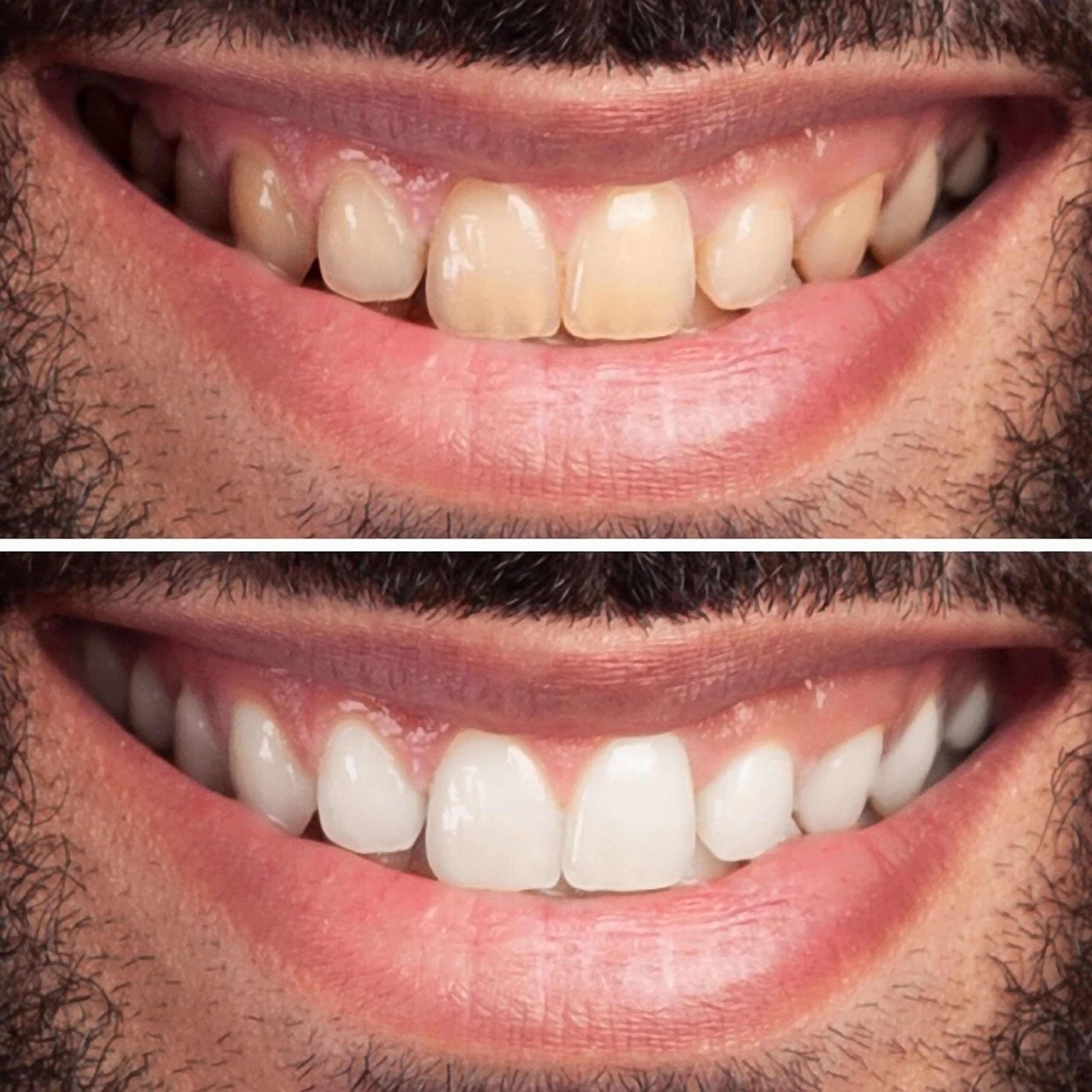
Teeth whitening is a cosmetic treatment designed to improve the colour of your teeth.
There are different options available, including in-clinic whitening and at-home systems. The most suitable option depends on your preferences and clinical situation.
Results can vary between individuals depending on the natural colour of the teeth and lifestyle factors. Some temporary sensitivity may occur during or after treatment.
All whitening materials used are within approved safety standards and regulated concentrations.
Aligners (orthodondic)
Clear aligners are a modern and discreet alternative to traditional braces. They use a series of custom-made, removable trays to gradually move teeth into the desired position.
Treatment begins with a consultation and a detailed assessment to determine suitability. Not all cases can be treated with aligners, and this will be discussed with you during your consultation.
Aligners must be worn for approximately 20 hours per day and should only be removed for eating, drinking (except water), and cleaning.
Regular follow-up appointments are required, usually every 6 weeks, to monitor progress and provide new aligners.
After treatment is completed, retainers are necessary to maintain the results.
Due to the need for regular monitoring and adjustments, aligner treatment is generally recommended to be carried out in the UK rather than abroad.